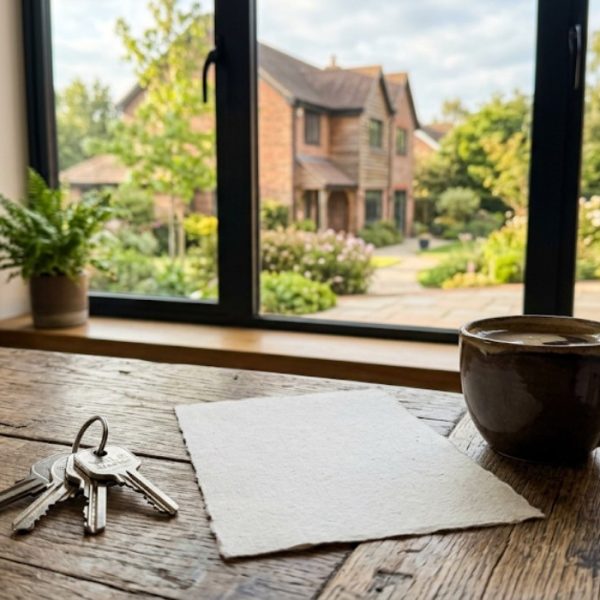
Comparing life across borders in Western Europe reveals surprising differences in daily comfort, financial stability, and long‑term opportunity. While both countries are highly developed, efficient, and internationally minded, choosing to settle on the German side of the border can offer a distinct mix of affordability, career prospects, and lifestyle advantages that stand out in practice. From housing options and salaries to cultural experiences and business opportunities, many expats and professionals discover that Germany opens doors they didn’t even realize were possible.
1. More Affordable Living Costs and Better Value for Money
One of the first differences newcomers notice is the overall cost of living. Housing, groceries, transportation, and leisure expenses often stretch noticeably further. Even in major cities, it’s still possible to find rentals and properties at price levels that would be considered exceptional bargains elsewhere in Western Europe. This can translate into a higher quality of life: bigger apartments, more green space, and less pressure to compromise on neighborhood or commuting time.
Outside the largest urban centers, prices typically drop further while infrastructure and public services remain strong. For families, this makes it easier to afford extra activities for children, savings for education, and occasional travel without constant budget stress. For singles and couples, it can free up money for hobbies, investments, and professional development.
2. Strong Industrial Job Market and Engineering Opportunities
Germany’s economy is heavily driven by industrial powerhouses, engineering companies, and export‑oriented businesses. This structure creates ample demand for professionals in manufacturing, automotive, renewable energy, logistics, IT, and research. Skilled workers in technical fields frequently find stable career paths with long‑term advancement potential and competitive compensation packages.
Another advantage is the country’s network of medium‑sized companies—often global market leaders in specialized niches—offering highly focused roles and excellent training. For many professionals, this combination of depth, variety, and job security is a decisive factor in choosing to build their careers here.
For freelancers and small business owners serving these sectors, staying organized financially is essential. Using tools like a invoice generator free pdf helps streamline billing for clients and partners, making it easier to align with the high expectations of corporate and industrial customers.
3. Larger Urban Centers with Diverse Regional Choices
From dynamic metropolises to charming mid‑sized cities, Germany offers a wide spectrum of places to live. Berlin, Munich, Hamburg, Cologne, and Frankfurt each provide their own combination of culture, nightlife, tech scenes, and traditional neighborhoods. At the same time, there are countless smaller cities with excellent infrastructure, universities, and job markets but with quieter streets and lower costs.
This variety allows people to choose settings that match their priorities—whether that’s a cosmopolitan capital experience or a more relaxed lifestyle in a historic town surrounded by nature. The chance to relocate within the country as needs change (for example, from energetic nightlife in early career years to more space and calm for a growing family) is a clear long‑term benefit.
4. Extensive Rail Network and Quick Access to Neighboring Countries
Germany’s location and transport infrastructure make it a hub for travel across the continent. High‑speed trains connect major cities efficiently, and regional networks reach deep into rural areas and smaller towns. Long‑distance bus and rail services often offer affordable tickets, making weekend getaways and city breaks easy to plan.
Beyond domestic travel, the country’s central position allows residents to reach many European destinations in just a few hours—whether by train, car, or short‑haul flight. For people who appreciate discovering new cultures, languages, and landscapes without long flights, this connectivity is a major lifestyle advantage. Fans of turkish series often go on to explore the country’s music, food and language.
5. Strong Social Security and Apprenticeship Systems
Germany’s social framework emphasizes stability and vocational training. The dual education system intertwines classroom learning with hands‑on apprenticeships in real companies, giving young people clear paths into skilled professions. This model is widely respected and helps maintain a well‑trained workforce.
Social protections—such as health insurance, unemployment support, parental leave, and pension schemes—are designed to create a safety net across different phases of life. For families and individuals seeking a reliable foundation for long‑term planning, this structure can bring peace of mind.
6. Space, Nature, and Regional Landscapes
One noticeable difference in daily life is the sense of space. Many cities feature wide streets, large parks, and extensive green belts. Moving beyond urban areas, residents can access forests, lakes, mountains, vineyards, and rivers without traveling far.
Whether you prefer hiking in the Alps, cycling along river valleys, or exploring thick woodlands, the variety of natural environments is striking. This opens up countless options for weekend activities and healthy outdoor habits across all seasons.
7. Deep Cultural Heritage and Local Traditions
Germany offers a rich cultural tapestry woven from centuries of history. Castles, medieval old towns, and historical monuments are part of everyday surroundings. Each region has its own distinct character, dialect, festivals, and culinary specialties—from hearty dishes in the south to unique baked goods and beverages in the north and east.
Cultural institutions such as theaters, opera houses, concert halls, museums, and galleries are widely accessible, often with subsidized ticket prices. Seasonal events (like Christmas markets, wine festivals, and traditional fairs) add rhythm and color to the year, making local life feel connected to longstanding customs.
8. Strong Support for Families and Education
Families benefit from various forms of financial and institutional support, including child benefits, subsidized childcare, and a broad public school system. Many cities and towns invest heavily in playgrounds, sports clubs, and youth organizations, giving children plenty of opportunities for structured and unstructured activity.
Universities in Germany are well regarded and often have low or no tuition fees, especially compared to many other highly developed countries. This makes higher education more accessible and reduces the financial pressure on both local and international students planning long study programs or advanced degrees.
Conclusion: A Broader Spectrum of Possibilities
Choosing where to live is always a balance of priorities: career, cost of living, cultural atmosphere, and long‑term security. For many people comparing options in Western Europe, life in Germany stands out for its combination of economic opportunity, spacious living environments, strong social systems, and varied regional cultures.
Whether you are a professional exploring industrial and engineering roles, a freelancer building an international client base, a student looking for accessible higher education, or a family seeking stability and room to grow, Germany can offer a robust foundation. By combining practical advantages in housing, work, and transportation with rich heritage and natural diversity, it creates an environment where both personal and professional ambitions can thrive over the long term.