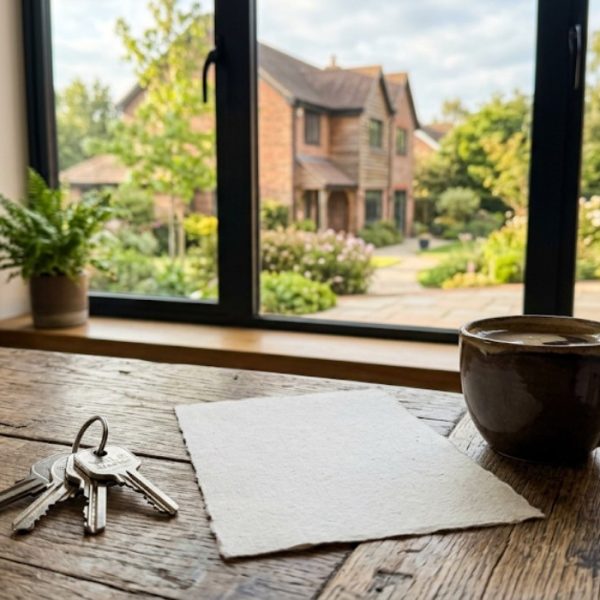
In recent years, there has been a noticeable trend of Dutch buyers looking across the border for their next home. Attractive prices, more spacious properties, and a different pace of life are encouraging people from the Netherlands to consider Germany as a realistic, even desirable, alternative. At the same time, this cross-border movement raises a number of legal, linguistic, and cultural questions that every buyer needs to address before signing on the dotted line.
Navigating another country’s legal system, purchase contracts, and administrative documents often requires reliable language support. This is where professional help such as certified translation services UK becomes essential for Dutch and other international buyers dealing with multilingual paperwork, official records, and cross-border legal processes.
1. More Space for the Money
One of the most common reasons Dutch buyers head to Germany is the opportunity to secure significantly more living space for the same budget. In many Dutch cities, urban density and limited land availability push up prices while reducing the size of homes and gardens. Just a short drive across the border, buyers often discover detached houses with larger plots, garages, and outdoor areas that would be financially out of reach in the Netherlands.
This extra space is particularly appealing to families, remote workers, and anyone seeking a quieter lifestyle. Home offices, hobby rooms, and private gardens become realistic goals rather than luxury features. For many, the trade-off of a slightly longer commute is entirely worth the additional comfort and privacy.
2. Attractive Property Prices and Lower Pressure
The Dutch housing market has long been characterized by high demand and limited supply, especially in and around major cities. Bidding wars, rapid sales, and above-asking-price offers are familiar experiences for many Dutch buyers. By contrast, a number of German regions near the Dutch border offer a more relaxed market dynamic.
Buyers often find that their purchasing power stretches further. Not only are listing prices more reasonable in many areas, but there is also less competition per property. This provides room for negotiation, thoughtful decision-making, and thorough due diligence instead of the stressful rush that can accompany purchases in overheated urban markets.
3. Proximity to the Netherlands
A major advantage for Dutch buyers is that many German communities lie just a short distance across the border. This allows them to benefit from German housing conditions while staying close to their roots, family, and professional network. For some, daily commuting back to the Netherlands remains entirely feasible, particularly when they work near the border.
This physical closeness softens the psychological impact of moving to another country. Weekend visits, maintaining Dutch social connections, and continuing activities on both sides of the border become part of everyday life. In practice, many cross-border buyers feel they gain a new home without fully leaving their old one behind.
4. Quality of Life and Environment
Many border regions in Germany offer a calmer, more spacious environment that appeals to those looking for a different lifestyle. Quieter streets, access to nature, and a less crowded infrastructure can be attractive alternatives to dense Dutch cities. Families in particular value the lower traffic on residential roads and more extensive green spaces. Services like a local dial a ride help people who cannot easily use conventional buses.
Beyond the physical environment, some buyers appreciate the slightly different pace and culture of daily life. Local markets, community events, and traditional German festivities can enrich social experiences and give newcomers a sense of belonging in their new surroundings.
5. Strong Infrastructure and Services
Germany is known for its solid public infrastructure, and this reputation extends to many of the regions that attract Dutch buyers. Well-maintained roads, reliable public transport options, and access to healthcare facilities give newcomers confidence that their practical needs will be met.
Schools, kindergartens, and local services are often of high quality, making the move attractive for families with children. Shopping, leisure facilities, and cross-border employment possibilities add further appeal. This mix of strong local provisions and easy reach of Dutch amenities creates a comfortable, well-connected way of life.
6. Linguistic and Cultural Familiarity
While there are clear differences between Dutch and German language and culture, the similarities are also striking, especially in border regions. Many local residents are used to interacting with Dutch visitors and buyers, and it is common to encounter people who have at least some understanding of Dutch or English.
This relative familiarity eases the transition. Everyday tasks such as shopping, arranging utilities, or dealing with local authorities may still require some language adjustment, but they are often less intimidating than moving to a region with a completely different linguistic landscape. Over time, many Dutch buyers develop functional German skills, further increasing their independence.
7. Long-Term Financial and Legal Considerations
Buying across the border also brings financial and legal factors into play. Tax implications, mortgage options, residency rules, and regulations affecting rental or resale potential all need careful review. For many buyers, the long-term value and relative affordability of German property outweigh the complexity of these additional steps.
However, correctly handling contracts, notarial documents, and official records is crucial. Clear understanding of what is being signed protects the buyer’s investment and ensures that obligations are fully understood. Professional advisers such as lawyers, notaries, tax consultants, and specialist translators help turn an attractive opportunity into a secure and transparent purchase.
Conclusion: Cross-Border Living as a Strategic Choice
For a growing number of Dutch buyers, moving to Germany is a strategic choice rather than a leap into the unknown. More living space, appealing property prices, solid infrastructure, and easy access to the Netherlands combine to create a compelling package. The lifestyle benefits are significant, especially for families and remote workers seeking comfort, space, and a balanced environment.
At the same time, the decision involves careful planning. Understanding local regulations, financial implications, and cultural nuances is essential for a smooth transition. With the support of qualified professionals and accurate translations of key documents, cross-border property ownership becomes not only possible but genuinely rewarding for those looking beyond their national boundaries.